

Latest Nginx UI vulnerability: CVE-2026-27944 #

Nginx UI disclosed that certain versions of Nginx UI are affected by a vulnerability that allows for unauthenticated backup data downloads and the disclosure of associated encryption keys. This flaw stems from missing authentication on the /api/backup endpoint. Additionally, the AES-256 encryption key and IV (Initialization Vector) required to decrypt the backup are transmitted in plaintext within the X-Backup-Security response header. The vulnerability has been designated CVE-2026-27944 and has been rated critical with a CVSS score of 9.8.

      The following versions are affected

      • Nginx UI all versions prior to 2.3.3

      What is Nginx UI? #

      Nginx UI is a web-based graphical interface used to manage Nginx server configurations, SSL certificates, and system logs without manual command-line editing.

      What is the impact? #

      Successful exploitation of the vulnerability enables a remote, unauthenticated adversary to download and decrypt a full system backup containing sensitive information, such as user credentials, session tokens, SSL private keys, and Nginx configurations.

      Are updates or workarounds available? #

      Users are encouraged to update to the latest version as quickly as possible:

      • Nginx UI upgrade to version 2.3.3 and later

      How to find potentially vulnerable systems with runZero #

      From the Service Inventory, use the following query to locate systems running potentially vulnerable software:

      _asset.protocol:=http AND protocol:=http AND favicon.ico.image.mmh3:="-1565173320"
      Written by Matthew Kienow

      Matthew Kienow is a software engineer and security researcher. Matthew previously worked on the Recog recognition framework, AttackerKB as well as Metasploit's MSF 5 APIs. He has also designed, built, and successfully deployed many secure software solutions; however, often he enjoys breaking them instead. He has presented his research at various security conferences including DerbyCon, Hack In Paris, and CarolinaCon. His research has been cited by CSO, Threatpost and SC Magazine.

      More about Matthew Kienow
      Subscribe Now

      Get the latest news and expert insights delivered in your inbox.

      Welcome to the club! Your subscription to our newsletter is successful.

      Explore more runZero

      Product
      runZero 5.1 is here: Secure AI workflows, enhanced integrations, and expanded autonomous discovery
      runZero 5.1 takes on the heavy lifting across five key areas, enabling you to unmask and remediate exposures with less friction and more speed.
      Podcasts
      Know Your Adversary with HD Moore
      runZero CEO HD Moore breaks down the myth of air-gapped networks, the impact of AI on security, and why asset connectivity is everything.
      runZero Perspective
      BOD 26-04: A new era of prioritized remediation
      A complete breakdown of CISA's BOD 26-04 directive. Learn how the shift to SSVC, risk-based KEV prioritization, and 3-day remediation impacts your...
      runZero Perspective
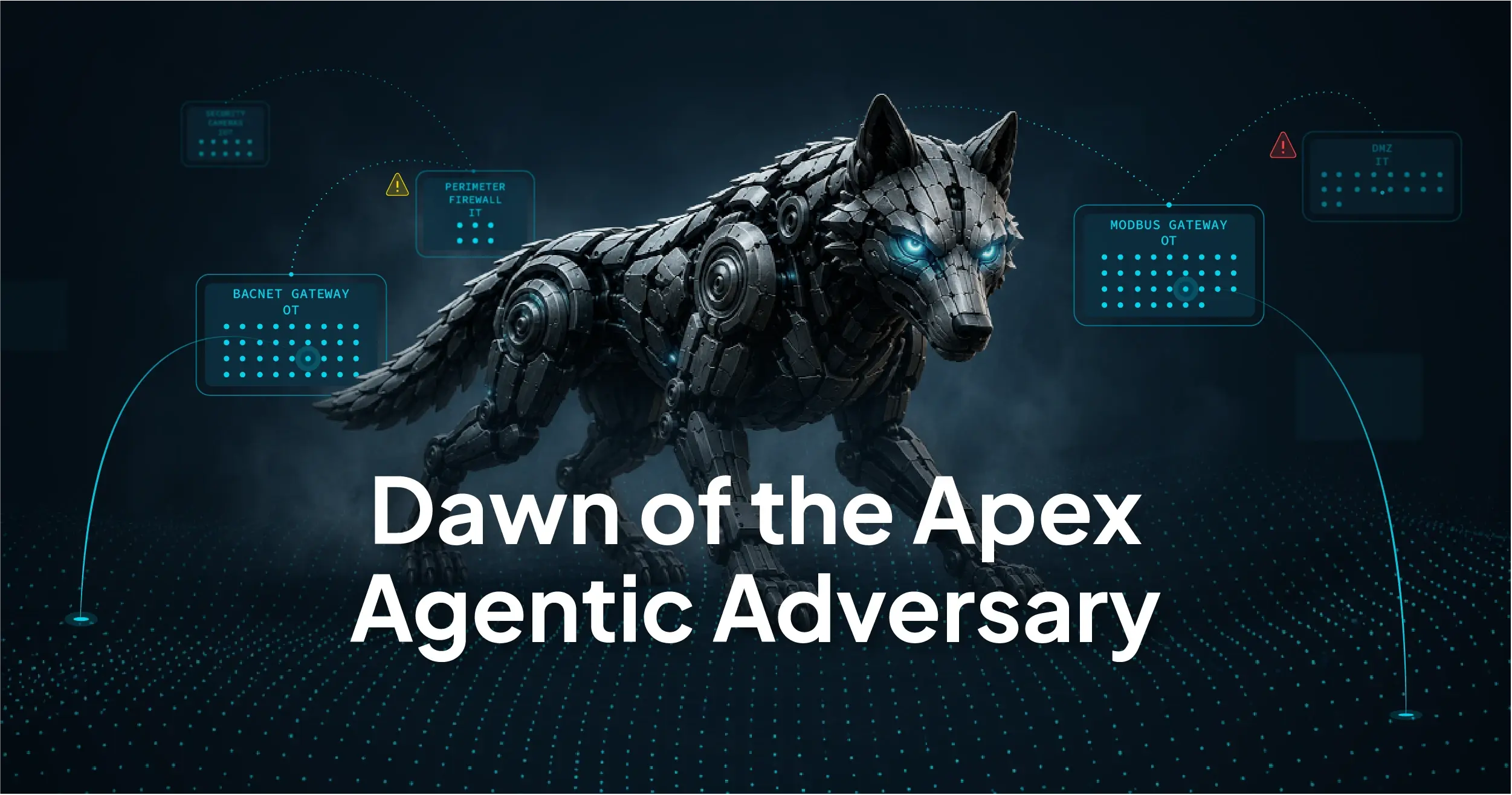
      Dawn of the apex agentic adversary
      When agentic AI can weaponize exploits in seconds, visibility is everything. Stop the predator with runZero’s exposure management for the AI-attack...
      Podcasts
      The Internet's biggest point of failure
      Join Tod Beardsley on Secure & Scale as he explores the future of vulnerability management, CVE fragmentation, and how AI is changing security...
      Webcasts
      Mind the gaps: securing the modern IT/OT attack surface
      In this webcast, HD Moore and GigaOm Analyst Chris Ray discuss key methods for hardening OT defenses and share insights from the new OT report.
      Webcasts
      runZero Hour, Ep. 32: AI-pocalypse now? Why the 2026 DBIR is actually good news
      In this episode of runZero Hour, Tod Beardsley, Brianna Cluck, and Verizon's Alex Pinto broke down 2026 DBIR trends, AI threats, and runZero 5.0.
      Podcasts
      The shadow era AI, exploits, and cybersecurity's 90s comeback
      HD Moore explains how AI is turning hacking back to the 90s, generating permanent exploit skeleton keys and breaking traditional defense.

      See Results in Minutes

      See & secure your total attack surface. Even the unknowns & unmanageable.