


Not just the score: why EPSS volatility might be the signal you’re missing

|
Updated

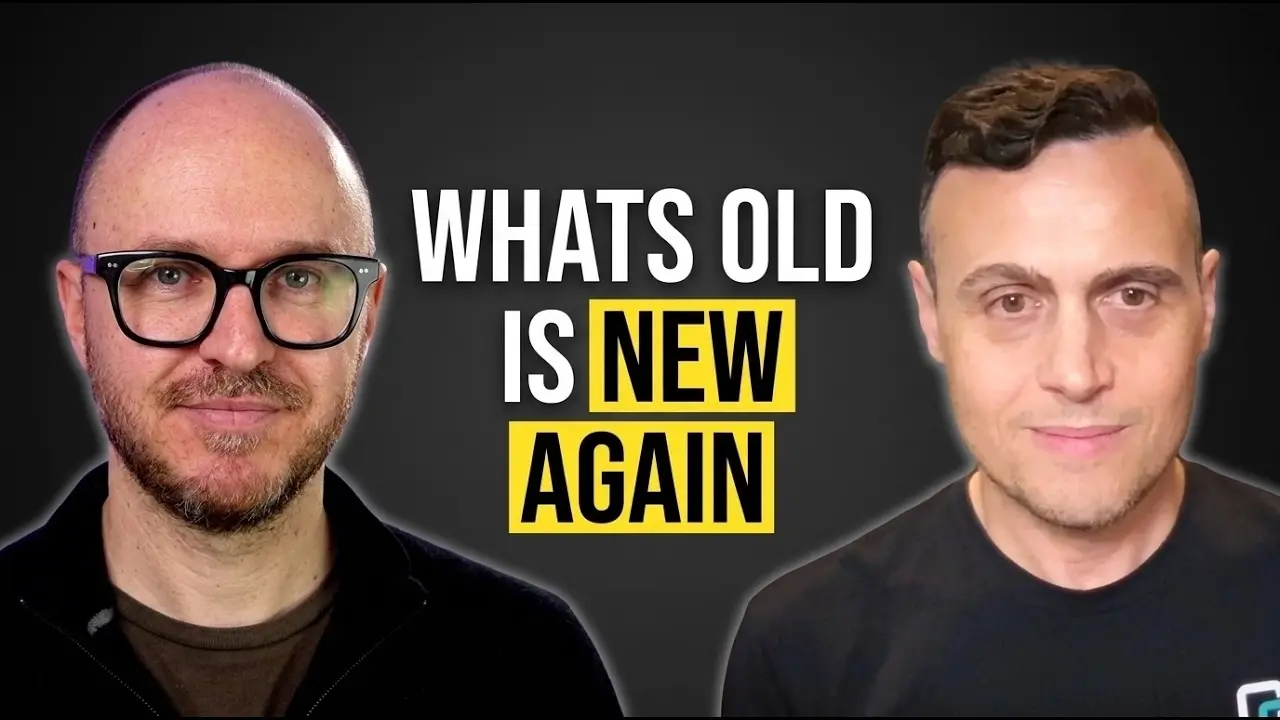
We’ve all been trained to fixate on the number. Whether it's a CVSS score of 9.8 or an EPSS probability of 0.73429, security teams are under pressure to rank, triage, and patch based on single metrics. But in Episode 18 of runZero Hour, a conversation with EPSS co-creator Jay Jacobs revealed something that might change how you think about vulnerability risk entirely.

The number itself isn’t always the most important signal. Instead, it’s the change in that number — the volatility — that may hold more predictive power. As runZero’s Tod Beardsley explained in this episode, a sudden spike in an EPSS score might be your first sign of something bigger brewing. “I think the deltas are more interesting than the final number,” he said. “That tells me something just happened to make this much more likely to be exploited.”

This is more than a theoretical observation. EPSS is updated daily using machine learning models fed by real-world exploitation signals — things like IDS/IPS detections from live enterprise networks, newly published Metasploit modules, pull requests on exploit repositories, and dark web chatter. That means it doesn’t just reflect potential severity, like CVSS, it also reflects how “attacky,” as Tod put it, the Internet feels today.

Volatility can serve as a kind of early-warning system. If a vulnerability’s EPSS score jumps 50+ points overnight, it may be time to take a closer look — even if its CVSS score is a sleepy 7.2. And unlike CVSS, which has seen score inflation and subjective disagreement between vendors, EPSS is grounded in observed behavior, not guesswork.

Check out the on-demand recording of this special runZero hour to learn:

  • How to operationalize volatility as a signal in your vulnerability management program

  • Why CVSS scores aren’t the empirical truth they pretend to be

  • A candid breakdown of what EPSS and SSVC get right — and where they still fall short

And check out our latest report, Divining Risk: Deciphering Signals From Vulnerability Scores the strengths and weaknesses of all modern scoring systems.

Written by runZero Team

Great research and development is a team effort! Multiple runZero team members collaborated on this post. Go team!

More about runZero Team
Subscribe Now

Get the latest news and expert insights delivered in your inbox.

Welcome to the club! Your subscription to our newsletter is successful.

Explore more runZero

Product
runZero 5.1 is here: Secure AI workflows, enhanced integrations, and expanded autonomous discovery
runZero 5.1 takes on the heavy lifting across five key areas, enabling you to unmask and remediate exposures with less friction and more speed.
Podcasts
Know Your Adversary with HD Moore
runZero CEO HD Moore breaks down the myth of air-gapped networks, the impact of AI on security, and why asset connectivity is everything.
runZero Perspective
BOD 26-04: A new era of prioritized remediation
A complete breakdown of CISA's BOD 26-04 directive. Learn how the shift to SSVC, risk-based KEV prioritization, and 3-day remediation impacts your...
runZero Perspective
Dawn of the apex agentic adversary
When agentic AI can weaponize exploits in seconds, visibility is everything. Stop the predator with runZero’s exposure management for the AI-attack...
Webcasts
runZero Hour, Ep. 33: Hacker Summer Camp: we survived the Vegas heat (and the bugs)
In this post-Hacker Summer Camp recap, the runZero team break down the research, tools, and trends discussed at BSides Las Vegas, Black Hat and DEF...
Podcasts
The Internet's biggest point of failure
Join Tod Beardsley on Secure & Scale as he explores the future of vulnerability management, CVE fragmentation, and how AI is changing security...
Webcasts
Mind the gaps: securing the modern IT/OT attack surface
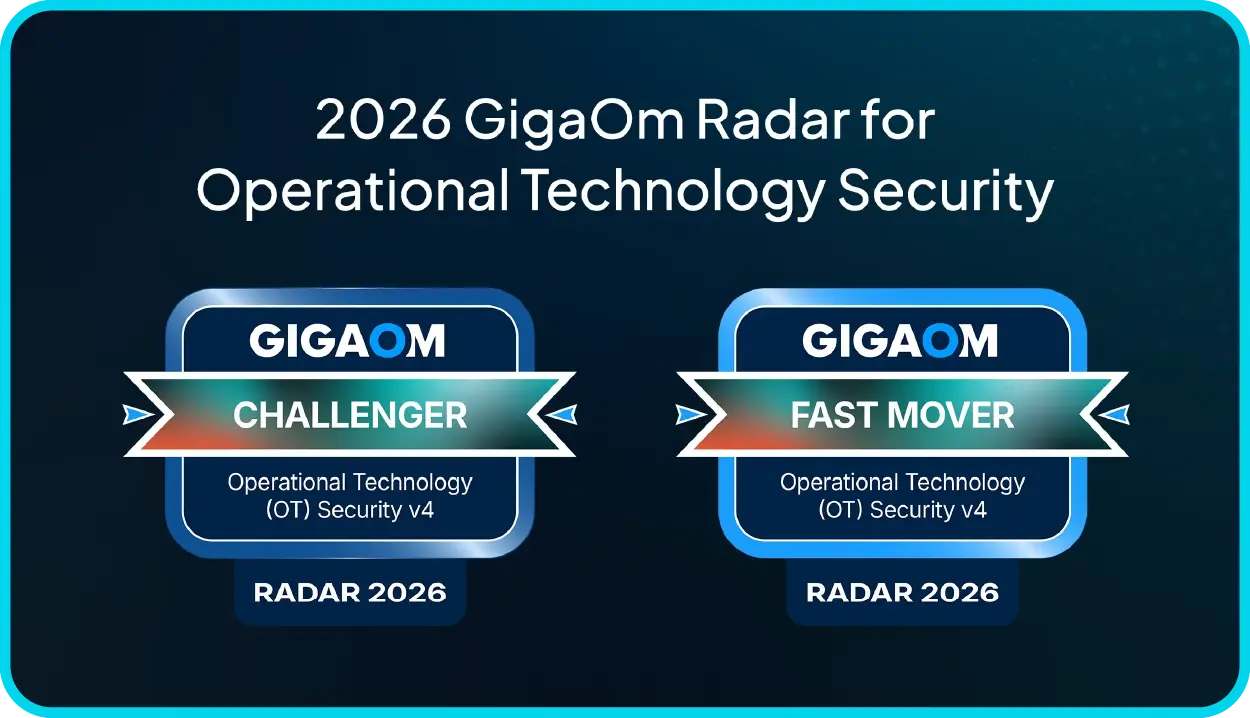
In this webcast, HD Moore and GigaOm Analyst Chris Ray discuss key methods for hardening OT defenses and share insights from the new OT report.
Webcasts
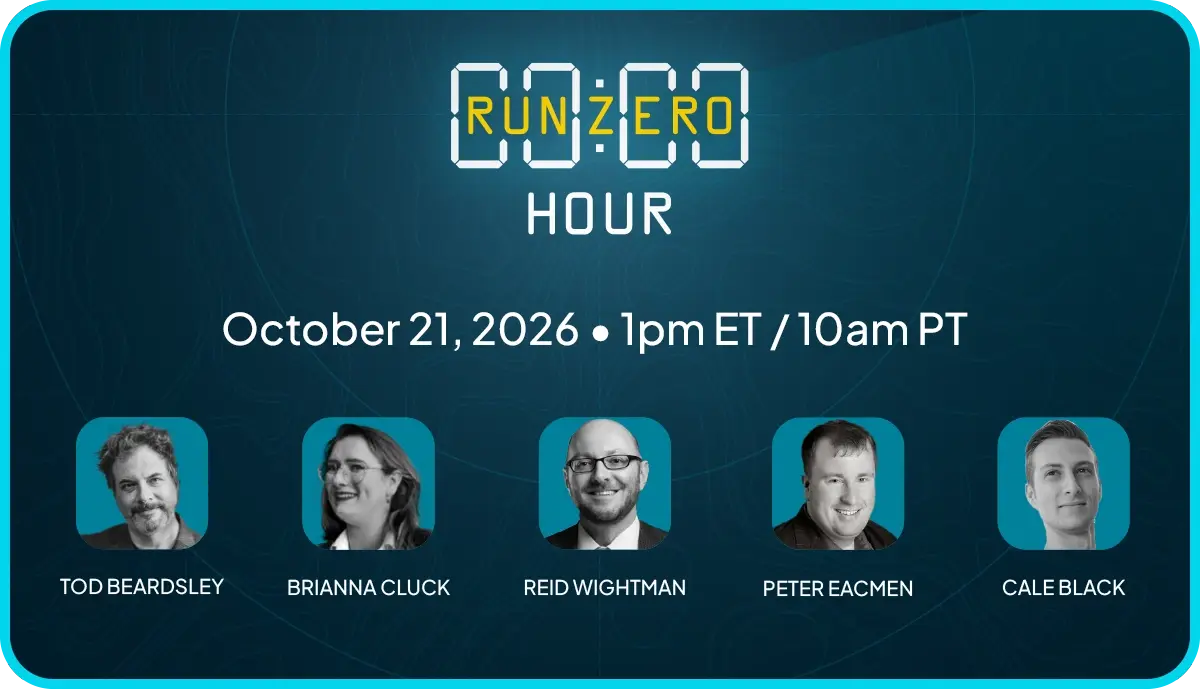
runZero Hour, Ep. 32: AI-pocalypse now? Why the 2026 DBIR is actually good news
In this episode of runZero Hour, Tod Beardsley, Brianna Cluck, and Verizon's Alex Pinto broke down 2026 DBIR trends, AI threats, and runZero 5.0.

See Results in Minutes

See & secure your total attack surface. Even the unknowns & unmanageable.